Willoughby Rolls Out Return and Earn Bin Baskets Across Parks and Shopping Strips

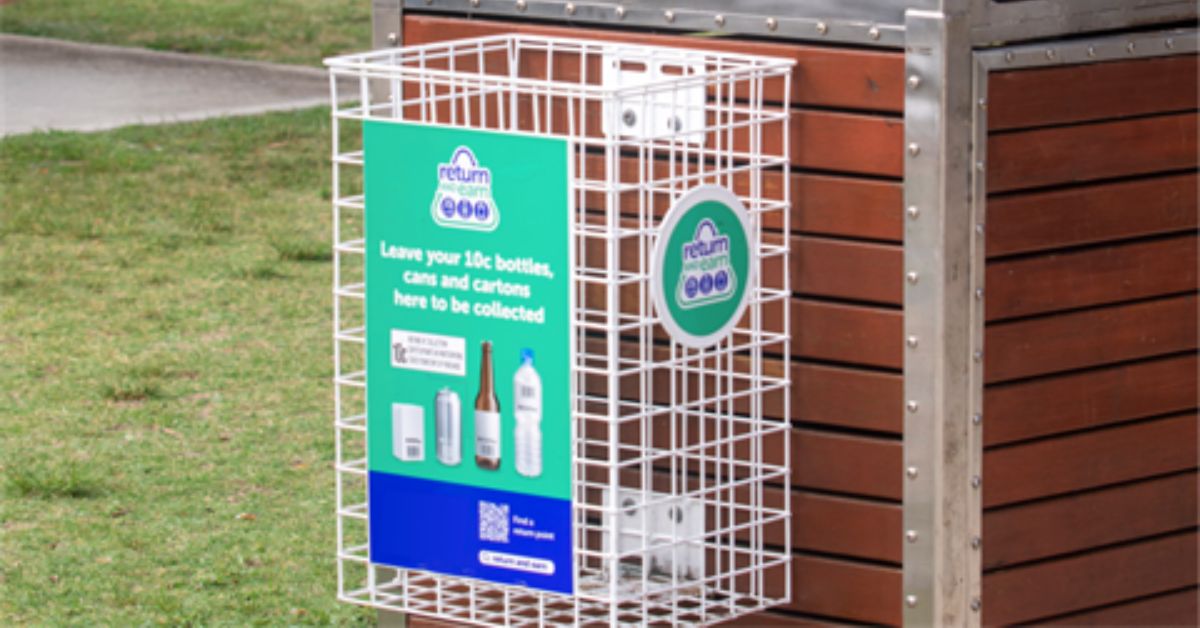
Metal bin baskets that give residents an easy way to drop off eligible drink containers for recycling without having to find a return point have started appearing on public litter bins across Willoughby, with a trial running from March through to mid-June 2026.


The Return and Earn bin baskets, funded by Exchange for Change, are popping up across six local hubs. While you’ll spot them at the Castlecrag shops, the trial also covers key foot-traffic zones in Artarmon, Willoughby, and Naremburn, as well as various local parks and reserves.

The concept is simple but the effect is meaningful. A key challenge for NSW’s container deposit scheme has been capturing containers consumed out of home, which frequently end up in general waste bins simply because there is no convenient dedicated option nearby. Pilot programmes across NSW have shown that placing a clearly visible, separate collection point exactly where containers are discarded can significantly influence public behaviour.

For Willoughby residents who regularly walk through the suburb’s parks and shopping precincts with a takeaway drink in hand, the bin baskets remove the friction that sends recyclable containers into landfill: no detour, no saving containers for later, just a quick drop into the basket on the way past.

How the Baskets Work

The programme provides baskets, signage and promotional materials to support the collection of eligible drink containers and to reduce contamination in general waste bins in public spaces. Once the baskets fill up, community members, including local groups and charities raising funds through the scheme, collect the containers and take them to a Return and Earn point to claim the 10 cent refund for each eligible item. While anyone can take a few containers to redeem, the program team closely monitors the baskets and tracks collection rates throughout the trial to ensure the cradles do not overflow and the surrounding areas remain clean and orderly.

This community fundraising dimension effectively turns the bin basket into a new kind of fundraising tool, allowing schools, sports clubs and community organisations to collect refunds from containers that would otherwise have been lost to landfill. For any Willoughby community group looking for a low-effort way to raise funds while contributing to local recycling, the bin baskets offer a ready-made opportunity.

Eligible containers include most aluminium, glass, plastic and liquid paperboard drink containers between 150ml and three litres. Wine bottles and milk cartons are not currently included in the scheme, though NSW has announced plans to extend Return and Earn to wine and spirit bottles by mid-2027.

Return and Earn’s Track Record in NSW

Return and Earn launched in December 2017 as NSW’s largest litter reduction initiative and has grown into one of the state’s most successful and trusted recycling programmes. Since its introduction, the total beverage container return rate in NSW rose from 32 per cent in 2017 to 65 per cent within two years, redirecting containers from landfill and litter to recycling. Drink container litter has since reduced by 52 per cent, and over 755,000 tonnes of material have been recycled through the scheme.

Every week, over 40 million drink containers are returned through the network to be recycled into new bottles, cans, cartons and other products. Despite that success, one in three eligible containers still does not make it back to a return point, largely because people consume drinks outside the home and have no convenient way to return the container on the spot. The bin basket programme directly targets that gap.

During the Willoughby trial, the volume of containers collected and the impact on local litter rates will be monitored to assess whether a permanent, wider rollout across the area is viable.

Why This Matters to the Willoughby Community

For Willoughby residents, the bin baskets offer something genuinely useful: a way to do the right thing without going out of your way to do it. The nearest Return and Earn machines in the area are at Chatswood Chase, Willoughby Road and a handful of other fixed points, which are convenient when you are already heading that way but easy to skip when you are simply passing a bin on a park walk.

Instead of your empty Carlton or Coke bottle ending up in the tip, these baskets give it a second life. It’s a dead-easy way to keep 10 cents in the community’s pocket rather than letting it go to waste in a general bin.

The baskets also connect to a broader question about what a community does with the recyclable value embedded in its everyday rubbish. Every container that goes into a general waste bin is a 10-cent refund lost, a small piece of glass or aluminium heading to landfill instead of back into the supply chain. Across a suburb the size of Willoughby, those individual decisions add up to a significant volume of material either recovered or wasted.

Residents who spot the baskets at Castlecrag shops, local parks and reserves are encouraged to use them. Community groups interested in collecting containers from the baskets for fundraising can find more information at returnandearn.org.au or by contacting Exchange for Change directly (1800 813 887).


Published 24-March-2026.

Invasive Spanish Moss Threatens Willoughby’s Native Trees

A fast-growing weed known as Spanish moss is smothering native trees across Willoughby, sparking a public campaign to protect the region’s unique bushland and biodiversity.


The call for public involvement comes after a noticeable increase in infestations of the plant, which is also commonly known as Old Man’s Beard. This month, local officials passed a resolution to take proactive steps to contain the weed, with a public education campaign scheduled to launch in the coming months to support the effort.

An Escalating Environmental Threat

Spanish Moss
Photo Credit: New South Wales

Though it is not currently listed as a prohibited plant under New South Wales biosecurity laws, Spanish moss (Tillandsia usneoides) is officially recognised as a weed by the Department of Primary Industries. The plant poses a serious problem by smothering the branches of its host, blocking essential sunlight and preventing photosynthesis. The sheer weight of a heavy infestation can also stress limbs, causing them to break and damage the tree.

This invasion alters the natural habitat, affecting native species and the delicate balance between predators and their prey. Officials have noted that warmer and wetter climate conditions are helping the weed to spread even faster, making containment a difficult and costly challenge, especially when it reaches high into the tree canopy.

Mayor Tanya Taylor stated that Spanish moss is becoming a significant environmental threat in the area’s urban forest. She emphasised that early action and strong community cooperation are essential to protect the health of the local tree canopy and biodiversity.

Council Outlines Proactive Strategy

Spanish Moss
Photo Credit: New South Wales

To manage the problem, Willoughby’s city council is implementing a multi-faceted plan. The strategy includes the removal of infestations from trees on public land and reserves. Management and monitoring of the weed will also be integrated into existing bushland and reserve action plans.

Additionally, training will be provided to bushcare volunteers and staff to help with early detection and rapid response. To support the community, updated fact sheets and communication materials will be distributed. Local authorities are also advocating for the state to review the official classification of Spanish moss to give communities more power to control it.


How Residents Can Protect Local Trees

The success of the campaign relies heavily on residents taking action on their own properties. The weed particularly affects important native canopy trees like turpentines, brush box, lilly pilly, and cheese trees, along with popular ornamental species such as maples and bottlebrush. Spreading easily by wind, birds, and even human activity, it can quickly colonise new areas, including private backyards and apartment balconies.

Residents are being asked to check their trees and gardens for any signs of Spanish moss and to remove it wherever it is safe to do so. Officials strongly advise against using the plant for garden decoration or landscaping, as this practice directly contributes to its spread throughout the community. Information to help residents identify and responsibly manage the plant will be shared through social media, newsletters, and the local government website.

Published Date 24-July-2025